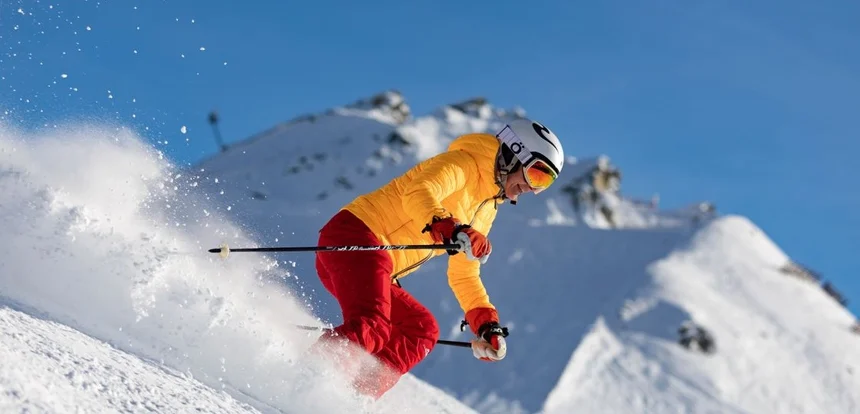
Skiing has a reputation for being expensive, and at Vail or Aspen on a holiday weekend in February that reputation is entirely earned. A family of four at a top Colorado resort can spend $1,000 before they’ve paid for lodging or a single restaurant meal. But skiing doesn’t require Vail or Aspen. The mountain itself is what you came for, and the mountain is available at dozens of resorts that charge a fraction of the trophy resort prices for terrain that most intermediate skiers couldn’t tell apart on a good powder day.
The Pass Question: Ikon vs. Epic vs. Neither
The two dominant multi-resort ski passes have reshaped how most skiers access mountains. The Epic Pass (owned by Vail Resorts) covers 40-plus resorts including Vail, Breckenridge, Park City, Whistler, and several European mountains. The Ikon Pass (owned by Alterra Mountain Company) covers 50-plus resorts including Mammoth, Jackson Hole, Steamboat, Aspen (limited days), and the Deer Valley and Alta/Snowbird cluster in Utah.
Both passes offer early purchase pricing that drops significantly from the in-season price. The Epic Pass bought before April typically runs $700 to $900 for unlimited access. The Ikon Pass in the same window runs $800 to $1,100. For anyone skiing four or more days at covered resorts, either pass beats buying lift tickets individually by a wide margin. A single day lift ticket at a major Colorado resort runs $200 to $250 in peak season.
The budget version of this strategy is the regional pass. Most independent resorts offer season passes for their own mountain at $300 to $600, which is exceptional value if you’re within reasonable driving distance and plan to ski more than three or four days. Ski resorts in New England (Sunday River, Sugarbush, Killington), the Midwest (Boyne, Lutsen), and the mid-Atlantic (Snowshoe, Seven Springs) offer season passes that deliver full-season access at prices that don’t require a separate financial conversation.
The Resorts Nobody Talks About
Ski terrain quality doesn’t correlate directly with resort fame or price. Several resorts consistently deliver excellent skiing at budgets that don’t require planning six months in advance.
Taos Ski Valley in New Mexico has some of the most challenging terrain in North America, a genuinely high base elevation (9,207 feet), and prices well below the comparable Colorado resorts. The town itself is one of the more interesting ski towns in the US. It’s on the Ikon Pass, which helps.
Schweitzer Mountain in northern Idaho gets substantial snowfall, covers 2,900 acres of terrain, and charges lift ticket prices that reflect being in Idaho rather than Colorado. Lodging in the surrounding area is proportionally reasonable. It’s a long drive or a small regional flight from most US cities, which is exactly why it stays off most people’s radar.
Ski areas in Vermont and New Hampshire (Mad River Glen, Sugarbush, Cannon Mountain) offer genuine New England skiing at prices that don’t approach western US resort rates. The terrain is different from the Rockies, but the experience is its own thing and the cost of a week in Vermont, including lodging in a rented house split among friends, is frequently half what a comparable Colorado trip would run.
Timing: When You Go Changes the Price Entirely
Holiday weeks (Christmas/New Year, Presidents’ Day weekend, Martin Luther King weekend) are when ski resorts charge the most and have the fewest available lodging options. January, outside of the holiday window, is typically the cheapest month to ski in the US: lower lift ticket prices at resorts that offer variable pricing, better lodging availability, and often the best snow of the season.
Early season (November through mid-December) and late season (March into April) offer the lowest prices of the year. Late March skiing in the Rockies, when temperatures are warmer and the snow is heavier but still excellent, is some of the most enjoyable and cheapest skiing available. The spring passes many resorts sell in January for late-season access are often exceptional value.
Gear: Rent at the Resort or Rent Somewhere Else
Ski rental at the resort base lodge is convenient and expensive. Renting from a ski shop in the nearest town, often a mile or two from the resort, typically costs 30 to 50 percent less for comparable equipment. Book online in advance for the best price and to avoid the morning-of scramble at the counter.
Buying used gear makes sense for skiers who go more than three or four days a year. Used ski equipment in good condition, available at ski swaps in the fall at ski clubs and resorts, or through Play It Again Sports and similar resale shops, costs a fraction of new retail and performs identically for recreational skiing. Skis don’t wear out quickly under normal use.
Building a dedicated travel fund six months out is the most reliable way to afford a ski trip without it hurting the rest of the budget. The expensive ski vacation and the good ski vacation are not the same thing. The mountain doesn’t know what you paid for the lift ticket. The snow feels the same at any resort with enough of it. The variables worth spending on are the ones that directly affect the skiing: the pass, the snow conditions, and the timing. Everything else is negotiable.
For federally managed winter recreation lands beyond private resorts, see the U.S. Forest Service's national forests directory.