The Mexico most visitors from North America see is the resort corridor: the transfer from the airport, the swim-up bar, the daily excursion ticket sold at the front desk. That version of Mexico is a controlled environment built for people who want the tropics without uncertainty. It’s fine for what it is. The other version, sitting a few hundred miles in any direction, is considerably more interesting and costs a fraction of the price.
Mexico City: The Case That Makes Itself
Mexico City is one of the world’s great urban destinations and still cheap by the standards of any comparable city in Europe or North America. A room at a good guesthouse in the Roma Norte or Condesa neighborhoods, the two most livable for visitors, runs $40 to $70 a night. A taco at a street cart is 15 to 20 pesos, roughly 75 cents to a dollar. A comida corrida, the set lunch menu that most neighborhood restaurants offer with soup, a main course, dessert, and water, runs 80 to 120 pesos, or $4 to $6. The Metro costs about 25 cents a ride and covers the city completely.
The Museo Nacional de Antropologia charges around $5 and contains one of the finest collections of pre-Columbian artifacts in the world. Diego Rivera’s murals at the Palacio Nacional are free to view. The Museo Frida Kahlo in Coyoacan charges about $15 and is worth every peso if you book in advance, since tickets sell out weeks ahead. The surrounding neighborhood of Coyoacan, with its cobblestone streets and weekend market, is free to walk through and one of the better urban afternoons available in Mexico.
Oaxaca: The Food Capital
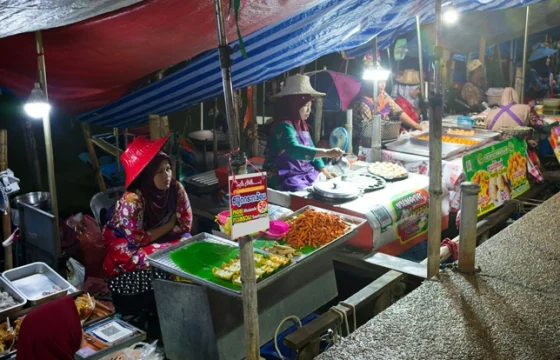
Oaxaca is the culinary center of Mexico, and the city’s central market, the Mercado 20 de Noviembre, is where to understand that claim. The market’s comal section has rows of women cooking tortillas, tlayudas, and chile negro mole over charcoal. A full meal with handmade tortillas, beans, and a shot of local mezcal runs under $10. The region produces some of Mexico’s most interesting single-village mezcals, sold for $8 to $15 a bottle at local spirits shops, which is a fraction of what the same bottles cost if they’ve been exported.
Monte Alban, the Zapotec archaeological site on a flattened mountain above the city, charges around $5 admission. The site dates to roughly 500 BC and has views across the valley in every direction. Day trips to the Hierve el Agua petrified waterfalls and the black clay pottery villages around San Bartolo Coyotepec run $15 to $25 with a shared tour van, which is the right way to do them.
Guanajuato and the Bajio
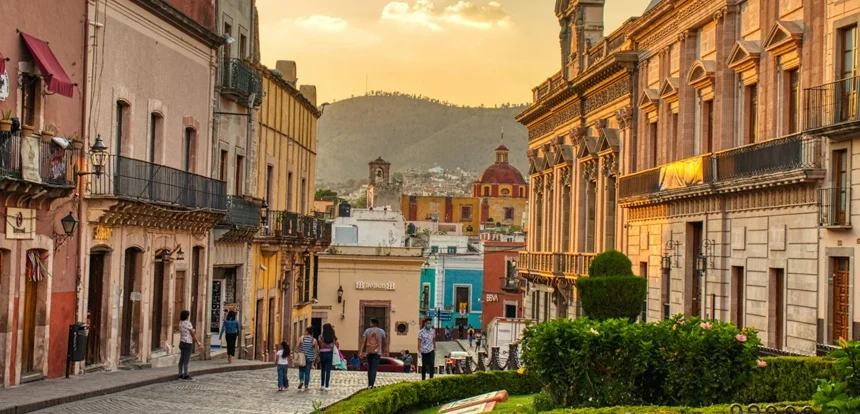
Guanajuato is the most visually distinctive colonial city in Mexico: streets that run through tunnels under the city, buildings painted in every color, a central plaza that sits in a bowl surrounded by hillside neighborhoods connected by steep alleys. It’s a university town, quieter and more local-feeling than San Miguel de Allende next door. Accommodation runs $35 to $60 at small guesthouses. The Mummy Museum charges a few dollars to enter and is exactly what it sounds like.
Getting Around: The ADO Network
ADO is Mexico’s first-class intercity bus network, and it changes the economics of traveling through the country. The buses are air-conditioned, comfortable, and dramatically cheaper than domestic flights. Mexico City to Oaxaca runs $20 to $30 for a 6 to 7-hour ride, often overnight to save on accommodation. Mexico City to Merida, in the Yucatan, is a longer trip but the overnight bus does the same work. Budget airlines (Vivaaerobus, Volaris) cover routes ADO doesn’t reach, often for $30 to $60 if booked a few weeks ahead.
The Yucatan Beyond Cancun
Merida is the capital of the Yucatan state and about as different from Cancun as two cities in the same region can be. It’s a genuinely beautiful colonial city with a Sunday market that takes over the entire centro historico, excellent food, and accommodation running $40 to $80 at small hotels. The cenotes (freshwater sinkholes) scattered through the surrounding limestone jungle are $5 to $10 entry. Chichen Itza is about two hours away by bus and charges $30 admission, which is the highest entrance fee for an archaeological site in Mexico and worth it.
The resort strip exists because it removes uncertainty and offers a controlled version of the tropics. If that version is what you’re after, we’ve covered how to find an all-inclusive resort on a budget in a separate guide. Mexico’s interior removes a different kind of uncertainty, which is whether the place you traveled to will actually be interesting. That one resolves quickly.
For the current Mexico country information and state-level advisories, see the State Department's Mexico country page.