Domestic travel in the US has gotten more expensive, and domestic flights have developed an impressive set of additional fees that didn’t exist a few years ago. But the country also contains remarkable cities that still run at prices that feel misaligned with how good they are, and a stretch of national landscapes that remain accessible for the cost of one annual pass. Here’s where the value is right now.
National Parks: The $80 That Covers Everything
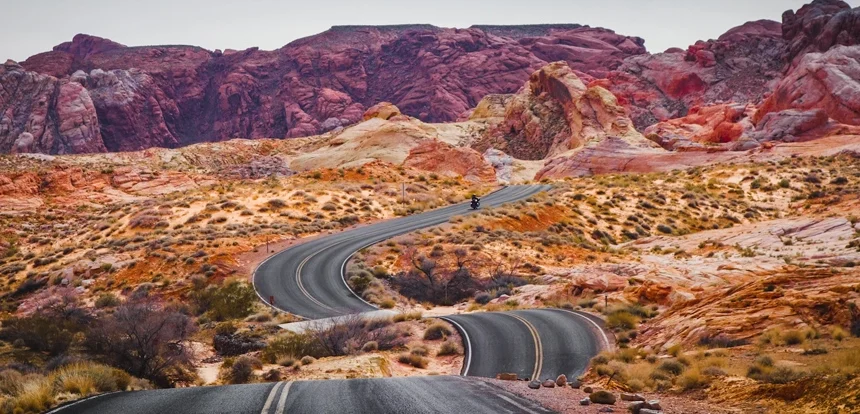
The America the Beautiful Annual Pass costs $80 and covers entry to every national park, monument, and federal recreational area in the country for a full calendar year. Glacier, Yellowstone, Grand Teton, Olympic, Crater Lake, Joshua Tree, the Grand Canyon, Acadia, Shenandoah, the Smoky Mountains: all of them, for $80, for a year.
The pass is sold at any park entrance or online at recreation.gov. For anyone making more than two national park visits in a year, it pays for itself immediately. For a family planning a western road trip that hits four or five parks, it’s the single best travel purchase available in American travel. Camping within the parks runs $15 to $30 a site per night. The cost of a national parks road trip beyond the pass is largely fuel and food — and road trip meals are one of the more controllable variables once you have a system.
One practical note: peak summer (mid-June through Labor Day) means timed entry reservations at many popular parks, including Glacier, Rocky Mountain, and Arches. Book those at recreation.gov as soon as the reservation window opens, usually five months out. May, September, and October offer similar weather at most parks with fewer crowds and no reservation requirements at most entrances.
New Orleans
New Orleans is one of the most interesting cities in the country and still prices reasonably compared to similarly vibrant destinations. Frenchmen Street, one block from the French Quarter, has live music every night of the week starting around 10pm, free at most venues if you buy a drink. The French Market is free to walk through. The St. Charles streetcar runs through some of the most beautiful residential streets in the South for $1.25 a ride.
Food ranges from $3 red beans and rice at a neighborhood lunch counter to $35 entrees at one of the city’s serious restaurants. The smart move is eating from both ends of that range rather than the middle. Accommodation in the Marigny or Bywater neighborhoods, within walking distance of Frenchmen Street, runs $80 to $120 a night at independent guesthouses, cheaper than similarly located options in Nashville or Charleston.
Pittsburgh
Pittsburgh is consistently underrated and consistently good value. The Carnegie Museums of Natural History and Art in Oakland share an admission price that’s lower than comparable institutions in coastal cities. The neighborhoods, particularly Lawrenceville and Shadyside, have developed strong restaurant and bar scenes over the past decade. A good dinner at a locally celebrated Pittsburgh restaurant runs $30 to $40 per person with drinks, which is what a mediocre meal costs in equivalent Boston or Seattle neighborhoods.
The city’s geography is genuinely dramatic in a way people don’t expect: three rivers, a grid that stops making sense on the hills, and views of downtown from Mount Washington accessible by the Duquesne Incline, which is technically a historic funicular and costs $2.75 each way.
Asheville, North Carolina
Asheville has gotten more popular and correspondingly more expensive over the past several years, but it remains cheaper than comparable mountain-town destinations in Colorado or Vermont. The Blue Ridge Parkway, running through the surrounding mountains, is free and managed by the National Park Service (covered by the America the Beautiful pass). The parkway’s overlooks and hiking trailheads are among the best free outdoor access points in the eastern US.
The city’s craft brewery scene is genuine rather than contrived, and the food scene is serious for a city its size. Accommodation within Asheville itself runs $110 to $160 at independent properties; staying in the smaller surrounding towns, Black Mountain or Weaverville, saves 20 to 30 percent on the room without significantly affecting access to the city.
New Mexico: Albuquerque and Santa Fe
New Mexico is one of the most undervisited states in the country and runs at prices that reflect that. Albuquerque is genuinely cheap: accommodation from $75 to $100, green chile on everything, and the Sandia Mountains accessible by aerial tram for around $15. The Albuquerque International Balloon Fiesta in October is one of the more visually extraordinary events in American travel and draws international visitors; book accommodation months ahead for that week specifically.
Santa Fe is more expensive because it functions as a serious art market, but still reasonable by coastal standards. A good guesthouse runs $110 to $140. The green chile stew at The Shed, one of the city’s most celebrated restaurants, costs under $15 and is worth the wait. Meow Wolf’s Convergence Station is $35 admission and genuinely unlike anything else in American travel, which is not a sentence that should be written lightly.
The US is full of cities that haven’t had their moment yet, and national landscapes that most of the country flies over to get somewhere else. The best budget travel in America is usually the travel that goes somewhere people haven’t already decided is worth the trip.
For the full park finder across the federal system, see the National Park Service's park finder.