The first time I went to Greece, I budgeted around Santorini, looked at the numbers, and almost didn’t go at all. Then a friend who’d been a dozen times asked me a simple question. Why Santorini? I didn’t have a good answer beyond the photos, which is to say I had no answer at all. So I crossed it off, booked a ferry to Naxos instead, and spent roughly half of what I’d planned while having a better trip. Greece is not expensive. The two or three islands everyone has heard of are expensive, and those are very different facts.
Skip the Postcards, Keep the Aegean
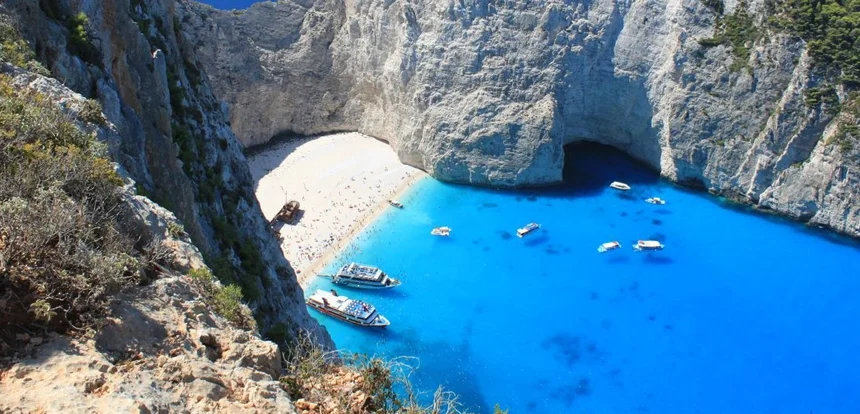
Santorini and Mykonos charge a premium for being famous, and the premium is steep. The same blue water, whitewashed villages, and unreal sunsets exist on islands that never made it onto a screensaver. Naxos has the beaches and a mountain interior most visitors never bother to explore. Paros gives you the Cycladic look without the cruise-ship crush. Milos has a coastline so strange and beautiful it feels invented, and it still costs noticeably less than its glamorous neighbors.
The pattern holds the further you wander. Smaller islands like Serifos, Tinos, and Folegandros run cheaper again, partly because there’s less to spend money on and partly because nobody’s marking things up for an audience. You trade a famous name for a room you can afford and a taverna where the owner remembers you by the second night. That trade has never once disappointed me.
The Ferry Is the Strategy, Not the Obstacle
People treat Greek ferries as a logistical headache. I treat them as the whole plan. From Piraeus, the port outside Athens, slower conventional ferries to the Cyclades cost a fraction of the fast catamarans and only add an hour or two. I almost always take the slow boat. You sit on deck, watch islands rise out of the water, and arrive having spent less.
A few things I learned the slightly hard way:
- Island-hop in a cluster. Paros, Naxos, and the small islands between them are short, cheap hops. Bouncing across the whole Aegean burns money and days.
- Book ahead only in high summer. In shoulder season I’ve walked up to the ticket window an hour before sailing. In August, don’t risk it.
- Choose the slow ferry on purpose. The savings are real and the ride is half the pleasure.
One mistake I made early: I assumed every island connected to every other island daily. They don’t. Plan your route around the boats that actually run, not the map.
Family-Run Beats Boutique Every Time
The best value in Greece isn’t a deal you find. It’s a category you choose. Family-run rooms, the small guesthouses often labeled “domatia,” run a fraction of what boutique hotels charge and frequently come with a grandmother who insists you take figs from the garden. I’ve paid $40 to $70 a night for clean, simple rooms steps from the water, often with a host who’ll tell you which taverna to skip.
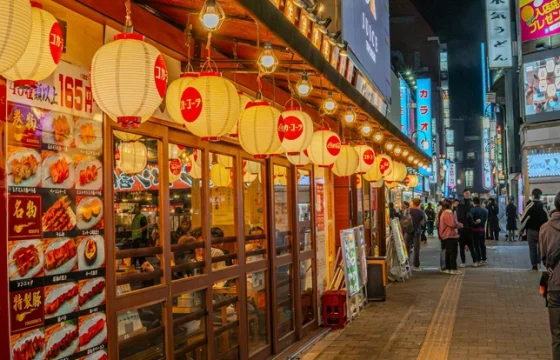
Eat where they eat. The taverna with a paper menu and no English translation, the one slightly off the harbor, will feed you a real meal for $12 to $18 and pour you something the owner made. The places with photos of the food and a guy out front waving you in are charging tourist rates for worse cooking. If you want a sense of how Greece stacks up against the rest of the continent, it sits comfortably among the cheap European vacation destinations that punch far above their price.
Go in the Shoulder, Reap the Difference
Late spring and early autumn are the open secret of Greek travel. May, June, and September give you warm water, working ferries, and rooms at prices that quietly drop the moment the crowds thin. The light is softer. The tavernas have time to talk. And you’re not competing with half of Europe for a sunbed.
I once went in mid-July to a small island and watched prices climb week by week toward August like a tide coming in. The same room in September would have been a third less. Greece in the shoulder season reminds me of how affordable the right corner of Europe can be, the way Portugal delivers Europe’s best value for travelers willing to step slightly off the obvious path. Timing isn’t a minor lever here. It’s most of the budget.
The Best Things Are Free
Here’s what nobody tells you about Greece. So much of what makes it extraordinary costs nothing. The beaches are public, every last one of them, including the ones in front of expensive hotels. You walk down, drop your towel, and swim. The ancient sites that aren’t the Acropolis are often quiet, cheap, or open hillsides you can wander at will. Don’t overlook the mainland either. The Peloponnese is packed with ruins, mountain villages, and beaches with a fraction of the price and crowds.
My favorite afternoons in Greece were the ones I didn’t pay for. A walk through an old village at the hour everything goes still. A swim off a rock with no name. A long lunch that turned into a longer conversation. The country’s whole reputation is built on things that turn out to be free, and once you see that, the famous islands start to look less like a dream and more like a markup. I keep going back, and I keep spending less each time, which is not how travel is supposed to work and exactly how Greece does.
For official information on regions, ferries, and sites, see the Greek National Tourism Organisation.