Solo travel has a specific financial reputation, and it’s partly deserved. The single supplement on cruises and package tours, the hotel room that costs almost as much for one person as for two, the restaurant table for one where you order exactly as much food as you want and still pay the same cover charge: these are real costs that don’t apply when you’re splitting things with someone else. But solo travel also has financial advantages that don’t get discussed as often, and they’re significant enough to change the calculation.
The Single Supplement Problem (and How to Avoid It)
The single supplement exists because hotels and tour operators price their products around double occupancy and charge solo travelers extra for using a room or cabin alone. On a cruise, the single supplement can add 50 to 100 percent to the base fare. On package tours, similar markups are standard.
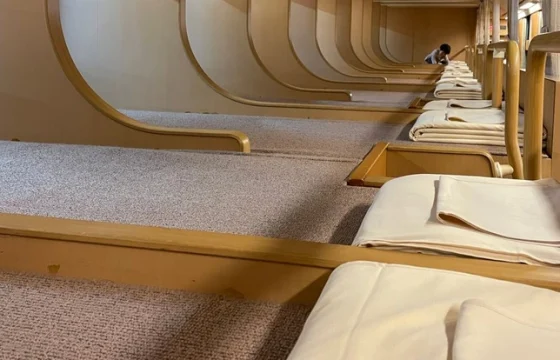
The workarounds: hostels, where you pay per bed rather than per room, eliminate the supplement entirely and have improved dramatically in quality over the past decade. A private room at a well-rated hostel in Lisbon, Barcelona, or Bangkok runs $30 to $50 and includes common areas, a kitchen, and built-in social infrastructure if you want it. Airbnb private rooms (renting a room in someone’s home rather than an entire apartment) also charge per person rather than per unit and often include a local host who can tell you where to eat.
For cruises specifically, several lines now offer guaranteed single cabins designed for solo travelers at no supplement. Norwegian Cruise Line’s Studio cabins are the best-known example, with their own dedicated lounge and social space. Booking a single-occupancy guarantee on other lines sometimes prices below the supplement-added double rate if you’re flexible on cabin location.
The Budget Advantages Nobody Mentions
Solo travelers make every decision themselves. No negotiating over which restaurant, which neighborhood, which activity. That translates directly to money: you eat where you want to eat, including the cheaper local place your travel partner might have vetoed. You walk instead of taxi when you feel like walking. You skip the expensive tour because you’d rather read in a park for an afternoon.
Solo travelers also benefit disproportionately from last-minute deals. One seat on a half-full flight, one remaining room at a hotel selling down to zero availability, one spot on a tour that’s running anyway: single inventory moves faster and cheaper than multiple units. If flexibility is your main constraint, being solo is an asset rather than a liability.
Free Walking Tours
Free walking tours operate in almost every city worth visiting. They’re tip-based, run by local guides working for what the tour was worth to you at the end, and consistently better than paid tours because the guide has to earn the tip. They’re also the single best way to orient yourself in a new city in the first few hours after arrival, and to meet other solo travelers who are often looking for company for the afternoon.
Search the city name plus “free walking tour” and book through the tour’s own site or through GetYourGuide. Most run daily and have morning and afternoon departures. Budget $15 to $20 as a tip for a two-hour tour, which is still less than most paid alternatives.
Hostels Are Not Just for Twenty-Year-Olds
The hostel market has changed. The better ones, particularly in Europe and Southeast Asia, are genuinely comfortable, well-managed, and host a wide age range. A private room at a well-rated hostel gives you the pricing advantage of the hostel model, a kitchen for cooking your own breakfasts, and common areas where meeting people is easy if you want it to be. You do not have to sleep in a dorm, share a bathroom with 12 people, or feel like the oldest person there.
Hostelworld and Booking.com both filter for private rooms. Read recent reviews specifically for comments about noise levels and cleanliness, which matter more in a hostel context than in a hotel. A hostel with 9.0+ ratings on recent reviews is genuinely a good option at any age.
The Table-for-One Problem
Eating alone is one of the more underrated pleasures of solo travel. You sit at the bar or at a small table, you order exactly what you want, and you pay attention to what’s happening around you rather than to a conversation. The practical tip: lunch is better than dinner for solo dining. Lighter crowds, quicker service, and lower prices on the same food. Many restaurants offer a lunch special that’s 30 to 40 percent cheaper than the dinner menu equivalent.
Markets, food halls, and street food stalls are naturally solo-friendly and often the cheapest eating in any city. You pick what looks good, pay, eat standing if necessary, and move on. No table minimum, no awkward solo reservation, no waiting for a table.
Solo travel rewards the traveler who’s honest about what they actually want from a trip rather than what sounds good when described to someone else. That kind of clarity, it turns out, is also one of the better budget strategies available.
For the official federal resources specific to solo travelers, see the State Department's solo traveler resources.