Europe has a reputation for being expensive, and parts of it genuinely are. But Europe also has a centuries-old tradition of public cultural life, museums funded by governments, parks designed for everyone, beaches that belong to no one, that makes it possible to spend a week there seeing genuinely incredible things without spending much at all. The mistake most visitors make is not knowing where to look.
I’m not going to list 50 bullet points and call it a day. Instead, here’s a city-by-city breakdown of what’s actually free, with a few general tips woven in for the cities I know well.
London
London’s museums are among the best in the world and most of them are permanently free. The British Museum, the Natural History Museum, the Victoria and Albert Museum, the National Gallery, the Tate Modern, the Science Museum, all free, all day, no reservations required in most cases. This alone could fill a week. Add the free changing of the guard at Buckingham Palace, walking along the Thames, and the markets (Borough Market is free to walk through and sample; you only pay if you buy), and London’s free offering is genuinely extraordinary given the city’s general cost.
Paris
The Louvre and Musée d’Orsay charge admission, but a surprising number of Paris’s best museums are free on the first Sunday of each month. Plan your visit around that Sunday and you can hit several major collections for nothing. Beyond museums: the Eiffel Tower is free to look at from the Trocadéro (actually a better view than from inside), the Luxembourg Gardens are free, walking along the Seine costs nothing, and the Père Lachaise cemetery, where Jim Morrison, Oscar Wilde, and Édith Piaf are buried, is one of the more quietly fascinating hours you can spend in the city at no charge.
Rome
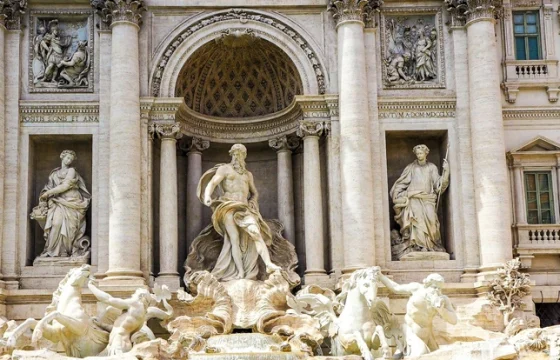
The Trevi Fountain, the Pantheon (free to enter on certain days), every piazza in the city, the Spanish Steps, the Borghese Gardens. Rome’s outdoor attractions are its best ones and they cost nothing. Vatican Museums charge admission, but St. Peter’s Basilica itself is free to enter (the dome costs extra, the church doesn’t). On the last Sunday of the month, Vatican Museums are free, though the lines are legendary and require early arrival.
Amsterdam
The Rijksmuseum and Van Gogh Museum charge admission, but the city’s canal network, Vondelpark, the Albert Cuyp Market, and the free ferry rides across the IJ waterway are all genuinely enjoyable at no cost. Many of Amsterdam’s smaller galleries and community spaces are free or donation-based. The city is also compact enough that getting around on foot costs nothing and reveals more than any tour bus would.
Barcelona
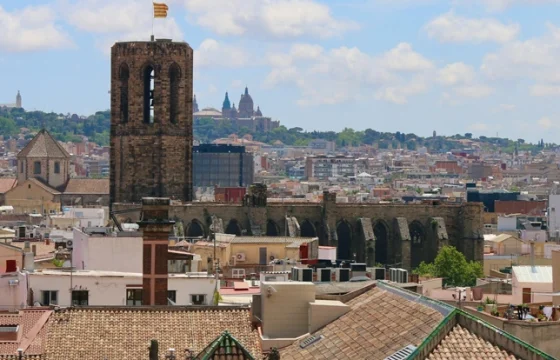
The Picasso Museum offers free entry on the first Sunday of each month and Thursday evenings. The Gothic Quarter is free to wander and more interesting than most museums. Park Güell has a free zone outside the ticketed monumental area, worth visiting even if you don’t buy the ticket. The beach at Barceloneta is public. The Boqueria Market is free to walk through. Gaudí’s Sagrada Família charges admission but the exterior is a free show on its own.
Lisbon
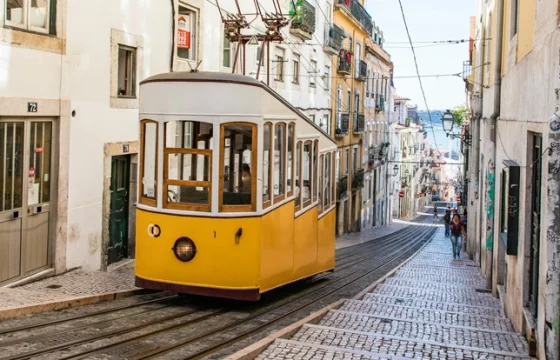
Lisbon might be the best value city in Western Europe. Many of its miradouros (viewpoints) are free and genuinely spectacular, particularly Miradouro da Graça and São Pedro de Alcântara. The Jerónimos Monastery is free on Sunday mornings. Several national museums are free on the first Sunday of the month. The 28 tram, famous for its route through historic neighborhoods, costs about €3 if you buy a rechargeable card rather than a single ticket. Wandering the Alfama neighborhood is free and better than any organized tour of it.
Berlin
Berlin is unusually generous with free cultural access. The East Side Gallery, a 1.3km stretch of the Berlin Wall covered in murals, is permanently free and genuinely moving. The Jewish Museum has charged admission but the Memorial to the Murdered Jews of Europe is free. Tiergarten park is enormous and excellent. Many of Berlin’s galleries have free entry days or are donation-based. The city’s neighborhood culture. Prenzlauer Berg, Kreuzberg, Neukölln, rewards walking without a plan.
General Tips That Work Everywhere
Most major European museums have at least one free day per month, usually the first Sunday. Look this up for every city on your itinerary before you go, it takes ten minutes and can save $50-$100 in entrance fees per person.
Free walking tours operate in almost every European city. They’re tip-based (pay what you feel it was worth at the end), which means they’re often better than paid tours because the guides actually need to impress you. Search “[city name] free walking tour” and book in advance, they fill up.
Beaches across Europe are public by law in almost every country. Any “private beach” is renting you a chair, not access to the water. The water itself belongs to everyone.
Churches in Europe are often remarkable buildings that are free to enter, cathedrals, basilicas, small neighborhood chapels. Many contain artwork that would draw crowds in a museum. Most tourists walk past them.
The real cost of a European trip is flights and accommodation. The activities, if you know where to look, are largely optional.
For a list of free-to-enter UNESCO sites across Europe, see the UNESCO World Heritage List.