The first time I booked a sleeper train, I did it for the wrong reason. I thought it sounded romantic. What I actually got was something far more practical, and it took me a few trips to understand what it was: I had stopped paying for a hotel that night without noticing. The train carried me three hundred miles while I slept, and the bed came free with the ticket. Once you see travel as two costs that can sometimes collapse into one, a lot of itineraries start looking different.
The Math That Changes Everything
Here is the simple version. Most nights on a trip, you pay twice for getting somewhere: once for the transport, once for the bed. A flight plus a hotel is two receipts. An overnight train is sometimes one. When the sleeper fare lands anywhere near what you’d have spent on the bed alone, the transport rides along for nearly nothing.
I started doing this calculation on a napkin and never stopped. Take whatever the night train costs. Subtract what a decent hotel in that city would have run you. Whatever’s left is the real price of the movement. On a good route, that number gets close to zero. On a great one, it goes negative, meaning the train technically cost you less than just sleeping in place would have.
It doesn’t always work. A bargain flight plus a hostel can still beat a premium cabin. But the comparison people usually run, train fare against flight fare, is the wrong one. You have to fold the hotel in. That’s the whole trick.
Europe Quietly Brought the Night Train Back
For a while everyone assumed the overnight train was a relic, killed off by budget airlines. Then Austria’s ÖBB leaned into its Nightjet network, and suddenly you could go to sleep in one capital and wake up in another. Vienna to Hamburg, Zurich to Amsterdam, plenty more. The routes keep expanding rather than shrinking, which tells you the math works for the operators too.
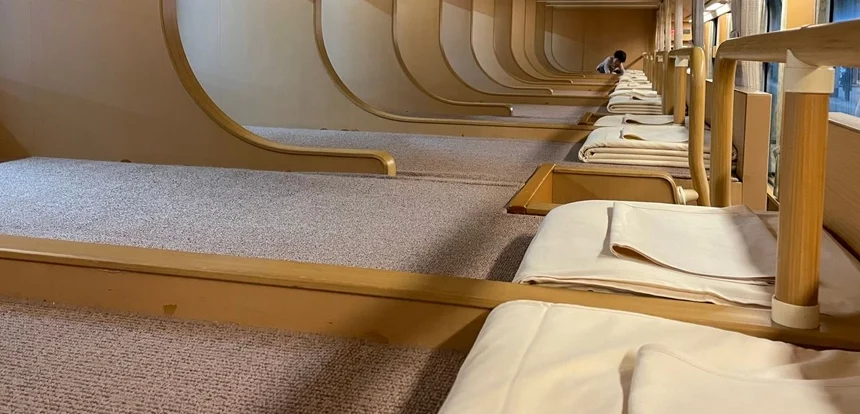
What matters for your wallet is that Nightjet sells comfort in tiers, and the gaps between them are large. A plain seat is the cheapest and, in my experience, a false economy. You arrive wrecked. The middle option is a couchette, a simple bunk in a shared compartment, usually four or six berths, with a light breakfast in the morning. Then there’s the proper sleeper, a private cabin with real beds, sometimes a washbasin or even a shower, and breakfast brought to you. The newest carriages even added solo mini-cabins, which finally solved the problem of paying for a whole compartment when it’s just you.
The couchette is where the savings usually live. You’re paying a modest amount above a seat, you get to lie flat, and you’ve erased a hotel night in a part of the world where hotels aren’t cheap. If you’re already eyeing the affordable corners of the continent, pairing night trains with the right list of budget-friendly European destinations stretches a trip much further than flying point to point ever did.
America Does It Differently, and Bigger
Amtrak’s version isn’t about hopping between cities overnight. It’s about distance. The long-distance trains, the California Zephyr, the Empire Builder, the Coast Starlight and their siblings, run for a full day or two, and that changes the proposition. You’re not saving one hotel night. On a two-night route, you might be saving two, plus meals.
Book a private room on those trains, a roomette or a bedroom, and your meals in the dining car are included. Sit and add that up. Two nights of lodging, breakfast lunch and dinner across the journey, and the transport itself, all folded into one fare. The roomette is the entry point: two seats by day that fold into upper and lower berths at night, with a big window and an attendant who handles turndown.
Coach on a long-distance train is genuinely cheap, but you’re sleeping upright across the Rockies, which I’ve done and don’t recommend twice. The sleeper costs real money. Whether it’s worth it comes back to the napkin: count the nights and meals it replaces before you flinch at the number.
Asia’s Sleepers Are the Best Deal Going
If Europe is comfortable and America is scenic, Asia is where the value gets almost absurd. Overnight trains across India, Thailand, and Vietnam move enormous numbers of people for fares that look like rounding errors next to a Western hotel bill. An air-conditioned sleeper berth on a long Indian route can cost less than a single cheap dinner back home, and it carries you most of the length of a country while you sleep.
The comfort tiers run wide, from open fan-cooled bunks to curtained air-conditioned berths, so you can pitch your spend exactly where you want it. I’ve taken the cheap end and the middle, and the middle is the sweet spot: clean, private enough, and still absurdly affordable. The night train isn’t the only way to cut your sleeping costs on a long trip, and it’s worth knowing the full menu of places to sleep that aren’t hotels, but few of them also move you four hundred miles by morning.
When It Doesn’t Beat Flying and a Hotel
I’ll be honest about the failures, because they’re real. Short hops where a cheap flight is an hour and the train is twelve don’t make sense unless you actively want the ride. Routes where the only sleeper option is a pricey private cabin can cost more than a flight plus a budget room, especially if you’re flexible on flight times. And a night train only saves you a hotel if you actually sleep, which some people simply can’t do on rails.
The honest filter is this: an overnight train wins when the distance is long enough to justify a full night in motion, when a seat or couchette keeps the fare reasonable, and when the hotel you’re skipping would have cost something close to the ticket. Miss any of those and you’re just paying for nostalgia.
What I keep coming back to is how the math rewards a certain kind of patience. Flying treats the journey as dead time you pay to delete. The night train treats it as the trip itself, and quietly hands you back the cost of a bed for agreeing to slow down. Some nights I still book one for the romance. I just no longer pretend that’s the only reason.
For the official routes and room options on this side of the Atlantic, see Amtrak’s long-distance routes.