Hawaii has a way of making you feel guilty for looking at the price tag. It’s a destination loaded with expectation, the volcanoes, the beaches, the lei at the airport, and the tourism industry has gotten very good at charging accordingly. But the idea that Hawaii requires a blank check is something the brochures want you to believe more than reality demands.
I’ve done Hawaii on both ends of the spending spectrum. The expensive version has more room service. The budget version has better stories.
Which Island You Choose Changes Everything
This is the decision most people skip, and it’s the most important one. Oahu is the least expensive island to fly into and has the most infrastructure for budget travelers. Honolulu has hostels, affordable plate lunch spots, and a public bus system that actually works. Waikiki is touristy but walkable, and the beach is free.
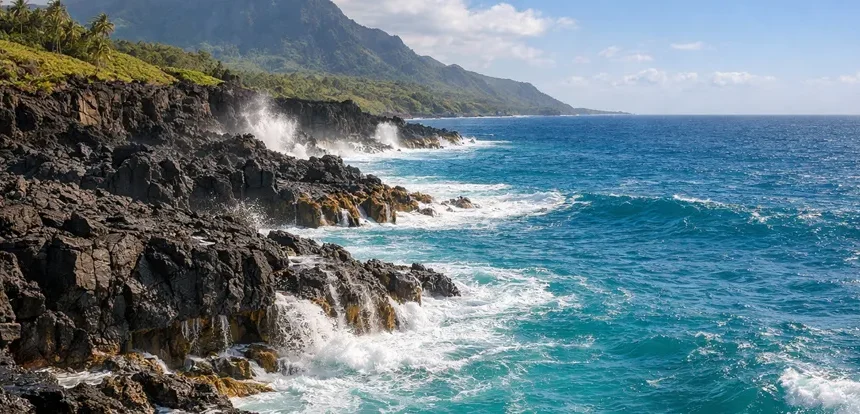
Maui is gorgeous and prices everything accordingly. It’s the most expensive island for accommodation, car rentals, and food, and it’s worth knowing that before you commit. The Big Island is the underrated budget option, fewer tourists, dramatic volcanic landscapes, and lodging prices that run noticeably lower than Maui. If you’re torn, Oahu for a first trip makes the most financial sense. Come back for Maui when budget is less of a constraint.
Flights and When to Book Them
Hawaii isn’t close to anywhere, which means flights are always the biggest line item. Book three to four months out for the best combination of availability and price. April through May and September through October are the sweet spots, shoulder season with good weather and lower prices across the board.
If you have airline miles, Hawaii is one of the better redemptions available. The number of miles required is reasonable relative to cash prices, especially for flights from the West Coast. Avoid December, summer, and spring break if you can. Prices spike and the islands get crowded in ways that undermine the whole point of going.
Inter-island flights, if you’re visiting more than one island, add up quickly. Consider whether a single-island trip is the smarter move. One island done well is better than two islands done expensively.
Where You Stay Determines Most of the Budget
Hotels near any Hawaiian beach come with resort fees that add $40 to $60 per night on top of the room rate, a charge that shows up at checkout and not in the advertised price. A condo or vacation rental with a kitchen in a residential neighborhood away from the resort strip is almost always better value, especially for stays longer than three nights.
The kitchen matters more in Hawaii than almost anywhere else. Groceries are more expensive than the mainland, but eating every meal in a tourist area costs far more than cooking half your meals yourself. A vacation rental, a trip to a local grocery store or farmers market, and you’ve already offset a significant portion of the accommodation cost.
Food: The Tourist Trap Is Real
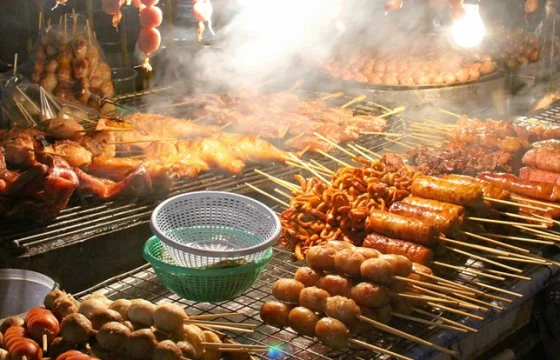
The plate lunch is Hawaii’s great gift to budget travelers. Rice, macaroni salad, and a protein, kalua pork, teriyaki chicken, or garlic shrimp, for $12 to $15 at a local lunch spot. These exist on every island, away from the resort corridors. Find one, go twice.
Farmers markets are everywhere and stocked with local fruit that tastes nothing like what you’d find on the mainland. Shave ice from a local spot rather than a tourist stand costs half as much and tastes exactly the same. The tourist-facing food in Hawaii is fine. The local food is the reason to actually seek it out.
The Free Parts Are the Best Parts
Every beach in Hawaii is legally public. The water is warm. The snorkeling off many beaches, Hanauma Bay on Oahu or Two Step on the Big Island, is as good as anything you’d pay for on a boat tour. State parks are free or inexpensive. Hiking trails through volcanic landscapes and rainforests cost nothing. The sunrise from Haleakala on Maui requires an advance reservation but not much money.
The things Hawaii charges for are the extras. The things Hawaii gives away freely are the actual reason people go.
Getting Around Without Overspending
Rent a car, but not at the airport. Off-airport rental agencies are consistently 20 to 30 percent cheaper, and a short rideshare to their lot pays for itself immediately. On Oahu, the public bus system covers more ground than most visitors realize and costs very little. Book the car as early as possible. Hawaii car rental prices are volatile, and waiting until the week before your trip often means paying peak rates for whatever is left.
One Thing Worth Splurging On
Hawaii is full of once-in-a-lifetime activities that are genuinely overpriced and genuinely worth doing anyway. Pick one. A sunset sailing trip. A helicopter tour of the Na Pali Coast or Kilauea. A snorkeling excursion to swim with manta rays after dark. Budget for one thing that is expensive and memorable, then keep everything else reasonable.
It’s still Hawaii. You don’t need to do everything. You just need to be there long enough for the pace of it to slow you down. That part is free.
For the full list of Hawaii parks worth planning around, see the National Park Service's Hawaii parks directory.