I spent two years hoarding airline miles for a dream business-class flight that, by the time I went to book it, cost almost twice the miles it would have when I started saving. The seat hadn’t changed. The plane hadn’t changed. The program just quietly decided my miles were worth less, and there was nothing I could do about it. That’s the part nobody warns you about when they tell you to “collect points.” Miles and points are not money in a savings account. They’re more like produce. They rot.
So when people ask me whether they should chase airline miles or hotel points, my honest answer is that the question is slightly wrong. But it’s worth untangling, because the two work nothing alike, and picking the wrong one for how you actually travel is how you end up with a balance you can’t use.
Miles and Points Are Not the Same Animal
Airline miles tend to show their best value on expensive flights. A long-haul ticket in a premium cabin, the kind that costs a few thousand dollars in cash, is exactly where miles punch above their weight. You’re using a fixed number of miles to unlock a seat the airline priced absurdly high, so your effective return per mile gets large. Use those same miles on a short domestic hop and you’ll often get a return so thin you’d have been better off paying cash.
Hotel points work in reverse, sort of. Their magic is the free night, especially at properties that charge a fortune in peak season. Programs like World of Hyatt have a reputation among points people precisely because a night that costs $400 cash might cost a modest, fixed number of points. The catch is that many hotel currencies are worth less per point than airline miles on average, so you need volume, and you need to spend them where the cash rate is genuinely high.
The Hoarding Trap That Got Me
Here’s the rule I learned the hard way. The longer you sit on a pile of miles or points, the more risk you’re carrying, because the program can devalue overnight and almost always does eventually. There’s no announcement you can plan around. One day the chart changes and your stash buys less.
Saving toward one big aspirational trip feels disciplined. It’s actually the riskiest thing you can do with loyalty currency. I’m not saying spend the second you earn. I’m saying have a real trip in mind, earn toward it on a timeline you can see, and book it. Points you’re “saving for someday” are points slowly losing value while you wait.
The Flexible Middle Ground Most People Miss
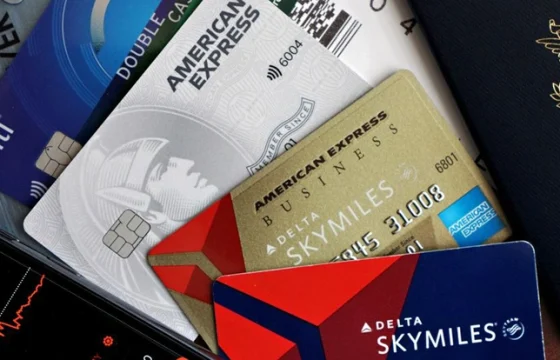
For a long time I treated this as airline-versus-hotel, two buckets, pick one. Then I understood transferable bank points, and the whole frame shifted. These are the currencies you earn through programs like Chase Ultimate Rewards, American Express Membership Rewards, Capital One, Citi, and Bilt, and they’re not locked to any single airline or hotel. You hold them in one place, then move them out to a travel partner only when you’ve found the specific redemption you want.
That flexibility solves the exact problem that burned me. If one airline has no award seats, you check another before transferring anything. If a program devalues, you simply route your next transfer somewhere else. You’re not married to one company’s whims. This is the engine behind most of the smarter travel credit cards that quietly cover your trips, and it’s the single thing I wish I’d understood before I started stockpiling in the first place.
The one rule with transferable points: don’t transfer them out until you’ve confirmed the exact award is available. Once they leave the bank program and land with an airline, they lose that flexibility and inherit all that program’s devaluation risk. Transfer is a one-way door.
How to Actually Choose
Forget the cents-per-point charts for a second and look at how you travel. The math follows the behavior.
- You take occasional big trips, long flights, the bucket-list kind. Lean toward airline miles, or better, transferable points you can send to airline partners. Premium long-haul redemptions are where the outsized value lives.
- You travel often and just need a roof, weekend trips, work-adjacent stays, family visits. Hotel points earn their keep here, especially if you’re loyal to one chain and stay during pricey periods.
- You’re honestly not sure how you’ll travel next year. This is most of us, and it’s the strongest argument for transferable bank points. You’re buying optionality, and optionality is exactly what loyalty programs try to take away from you.
If you’re just getting your footing, you don’t need a spreadsheet or a second job managing balances. A handful of deliberate moves does most of the work, which is the whole premise behind travel hacking strategies that cut a trip’s cost without taking over your life. Start with one flexible currency, learn one good redemption, repeat.
What I’d Tell My Past Self
The mistake wasn’t picking miles over points. The mistake was treating either one like a vault instead of a tool with an expiration date I couldn’t see. Loyalty programs want you to be loyal because loyalty is profitable, for them. The traveler who comes out ahead is the slightly disloyal one, who earns flexibly, watches for the redemption that delivers, and spends before the rules quietly change.
I still chase the occasional premium seat. I just don’t fall in love with the miles anymore. They were never going to love me back.
For a clear-eyed look at how rewards programs work and what to watch for, see the CFPB’s resources on credit card rewards.