

Business travel has a way of feeling like it doesn’t count financially because someone else is paying. But even on an expense account, the habits you build as a business traveler, or don’t build, follow you into personal trips and affect how much you’re paying out of pocket when you’re not on the company card.
Here’s what actually saves money and time for frequent business travelers.
TSA PreCheck Is Worth Every Dollar
If you fly more than four or five times a year, TSA PreCheck at $85 for five years is the single best value in business travel. Dedicated lane, shoes on, laptop in the bag, liquids stay packed. The math on time saved per trip makes it one of the easier decisions. Global Entry at $100 includes PreCheck and also clears you through customs on international arrivals, which is where the real time savings happen. Apply for Global Entry if you travel internationally at all, it includes PreCheck automatically.
The Points Are Yours, Not Your Employer’s
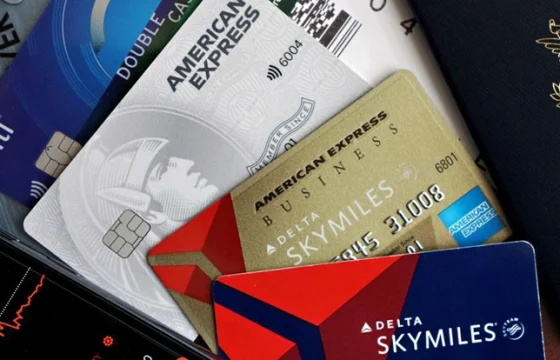
When the company pays for the flight or hotel, the loyalty points almost always go to you. This is one of the better perks of frequent business travel that people consistently underutilize. Pick one airline and one hotel chain, stick with them, and the points accumulate into meaningful personal travel benefits faster than you’d expect. Elite status on an airline, earned through business travel, pays off in upgrades, lounge access, and priority boarding on your own trips too.
Book Direct for Points and Flexibility
Booking flights and hotels directly with the airline or hotel rather than through a corporate travel portal or third-party site ensures your loyalty number is properly credited and gives you more flexibility if plans change. Some corporate travel tools allow direct booking within policy. If yours does, use it. If it doesn’t, it’s worth raising the question, the company may save money too on cancellation fees.
Carry-On Only Changes Everything
Checking a bag on a business trip costs time at both ends and adds complexity to anything that goes sideways. A well-packed carry-on and personal item handles a week of business travel for most people. The 20 minutes saved at baggage claim on every trip adds up to hours over a year of frequent travel, and you never arrive somewhere without your clothes.
Combine Trips Whenever Possible
Two separate trips to cities within driving or short flying distance of each other cost more than one trip that covers both. Before booking, look at your calendar for the next month and see if there’s a logical way to combine meetings into fewer trips. It’s not always possible, but when it is, the savings in both time and travel cost can be significant.
Stay Outside the City Center
Hotels in the middle of the financial district or within walking distance of the convention center charge a premium for that convenience. A hotel one subway stop away often costs 30 to 40 percent less for the same quality. On a multi-night stay, that difference is substantial. Factor in the commute time honestly before deciding it’s worth the premium.
Extended Stays Call for Apartments, Not Hotels
For trips longer than four or five days, a furnished apartment through a corporate housing provider or a well-reviewed Airbnb with kitchen access almost always makes more sense than a hotel. The kitchen alone changes the economics, breakfast and at least one meal a day at the hotel restaurant adds up quickly on a week-long trip. A corporate apartment also gives you a functioning workspace that isn’t a desk next to the bed.
Use Public Transit from the Airport
The taxi or rideshare from the airport is convenient and expensive. Most major airports have reliable transit connections into the city that cost a fraction of a cab fare and add 15 to 30 minutes at most. In cities like New York, Chicago, and Washington DC, the transit option is often faster than driving in traffic. Check the route before you land so you’re not making the decision on a tired autopilot.
One-Way Tickets Are Sometimes Cheaper
Business travel schedules change. Rather than booking a round trip and paying change fees when the return date shifts, compare the price of two separate one-way tickets. On routes with competition between carriers, buying a one-way on each of two different airlines is sometimes less expensive than a round trip on either one. It also gives you flexibility to change the return without affecting the outbound.
Set Your Out-of-Office Before You Leave the Office
This one isn’t about money directly, but it saves the kind of stress that makes business travel more exhausting than it needs to be. A clear out-of-office, an honest one that says whether you’re checking email or not and who to contact for anything urgent, reduces the backlog waiting for you and the interruptions during the trip. The best business travel is the kind where you’re actually present at your destination rather than managing a virtual inbox from a hotel lobby.
Business travel done well is less draining and less expensive than business travel done on autopilot. Most of the savings here require a decision once, not ongoing effort.
For the deductibility rules on business travel expenses, see the IRS business travel expenses topic.