The first time I went to Tokyo, I budgeted for it like a city that would punish me financially for breathing. Famous expensive city, I figured. Better pad the daily spend. Then I spent my first morning walking through a forest of a hundred thousand trees in the middle of the metropolis, paid nothing, and realized I’d misread the place entirely. Tokyo isn’t cheap, exactly. But it gives an enormous amount away for free, and not in the consolation-prize way most cities do. The free stuff here is often the actual reason to come.
The Shrines Are the Whole Point, and They Cost Nothing
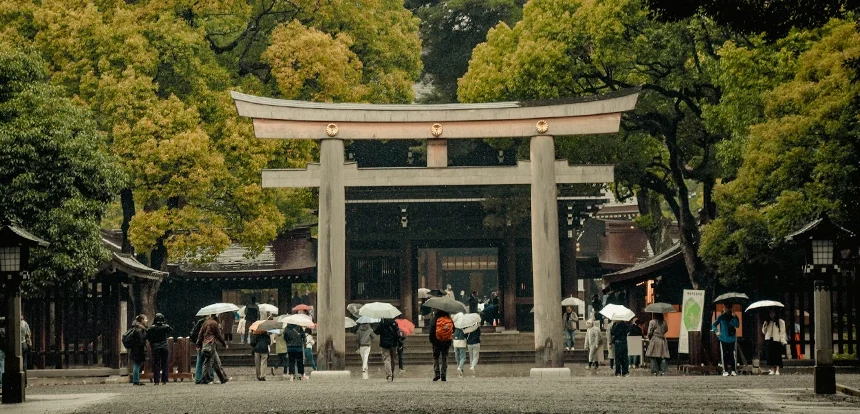
Meiji Jingu is the one that rearranged my expectations. You enter through a giant wooden gate off the chaos of Harajuku, and within two minutes the city sound just drops away. Gravel paths, towering trees, the occasional Shinto wedding procession moving past in slow color. No ticket booth. No suggested donation guilt. You can spend an hour there and walk out having paid for exactly nothing.
On the other side of town, Senso-ji in Asakusa is the older, louder cousin. It’s Tokyo’s oldest Buddhist temple, with a massive red lantern hanging in the entrance gate and a long market street of stalls leading up to it. It gets packed, genuinely packed, so I learned to go early or near closing. The temple itself, the incense, the people drawing paper fortunes: free to stand among all of it. Buy a fortune for pocket change if you want the full experience.
Parks That Earn Their Reputation
Yoyogi Park wraps around the Meiji Jingu grounds, and on a weekend it turns into the best free people-watching in the city. Rockabilly dancers, picnic blankets, dogs in outfits, someone always practicing an instrument badly and proudly. Ueno Park is the other heavyweight, a sprawling green space packed with museums, a pond, and the kind of cherry-blossom crowds in spring that you’ve seen in photos. The park is free. The museums charge, but the walking, the pond, the temples scattered through it do not.
What I appreciated is that these aren’t sad little squares of grass. They’re real destinations that locals actually use, which is the test I apply to any free thing. If residents go there on purpose, it’s worth your time.
Walk the Neighborhoods Like They’re the Attraction
Here’s the secret nobody puts on a paid itinerary: in Tokyo, the neighborhood itself is the show. Shibuya is the obvious one, with the famous scramble crossing where a thousand people cross at once in choreographed chaos. Stand at the corner, watch it go a few cycles, feel slightly insane, leave. Cost: zero.
But the ones I came back for were quieter. Shimokitazawa is a tangle of narrow lanes full of vintage shops, tiny record stores, and coffee places, the kind of district you wander without a plan. Yanaka, in the old north, survived the bombings and earthquakes and still feels like an older Tokyo, all low wooden houses, temple cemeteries, and cats. I did nothing in Yanaka but walk for two hours, and it was one of my favorite afternoons in the country. Window-shopping in Tokyo is its own quiet art, and the stores are merchandised so beautifully that browsing feels like visiting a gallery.
If you like collecting these free-city wins, I went through a similar exercise with free things to do in another dense Asian city, and the pattern held: the unticketed stuff is often the most memorable.
The View That Should Cost Money and Doesn’t
Tokyo loves to charge for height. The big towers want real money for their observation decks. So the move, the one I tell everyone, is the Tokyo Metropolitan Government Building in Shinjuku. It has a free observation deck on the 45th floor, more than 200 meters up, and on a clear day you can see across the whole sprawl to Mt. Fuji. There’s a cafe up there too. I went near sunset, watched the city flip on its lights, and paid nothing while people a few blocks away paid plenty for a similar view. It remains the single best value in the city.
Markets, Windows, and the Free Theater of Eating
You don’t have to buy anything to enjoy a Tokyo food market. The outer Tsukiji area still hums with stalls and knife shops and the smell of grilling things, and walking it costs nothing even if you cave and buy a skewer, which you will. Department store food halls, the ones in the basements, are a sensory event on their own: immaculate displays, free samples handed out with genuine ceremony, an entire culture of presentation you can absorb for the price of looking.
This is where Tokyo quietly rewards the budget traveler. The same instinct that makes budget travel across Asia work, watching what locals do and following the rhythm rather than the guidebook, pays off here too. You eat well by paying attention, not by paying more.
I left Tokyo having spent less than I planned and seen more than I expected, which almost never happens to me. The lesson I took home wasn’t about Japan being secretly affordable. It was that the things I remember most rarely had a ticket attached. A forest, a crossing, a cat in an old alley, a city lit up from a free 45th floor. Somewhere along the way I stopped counting what I saved and started noticing what I’d actually seen.
For hours, access, and seasonal details, check Tokyo’s official tourism site.