
Your guide to smarter, cheaper travel ✈

Airport Currency Exchange: How to Never Get Ripped Off

May 6, 2026 Saving Money When You Travel
Airport Currency Exchange: How to Never Get Ripped Off

I blew $40 on airport currency exchange once. Once. The exchange booth at the international terminal had a cheerful sign advertising “No Commission!” which was technically accurate and completely misleading, because the rate they were offering was so far below the actual market rate that the commission was already baked in, invisibly, to every bill I handed over.

I learned three things that day: what the real exchange rate is, where to find it, and why “no commission” means almost nothing. Here’s all of it.

The Real Rate and the Rate You’re Being Offered

There’s something called the interbank exchange rate – sometimes called the mid-market rate – which is what banks charge each other when they trade currencies. It’s the number you see on Google when you search “USD to EUR.” This is not the rate you get at an airport exchange booth, a hotel front desk, or most dedicated currency exchange services. Those add a spread – a markup – on both sides of the transaction, which is where they make their money.

The spread at airport exchange booths is often 8-12%. On a $500 exchange, that’s $40-$60 in invisible markup. The booth may genuinely charge no commission. That doesn’t mean you’re getting a fair deal.

ATMs Abroad: The Actually Good Option

Using a debit card at an ATM in the country you’re visiting is usually the best way to get local currency. The ATM uses the card network’s exchange rate, which is close to the interbank rate. Your bank may charge a foreign ATM fee (typically $3-5) and the ATM operator may charge its own fee. These are real costs, but they’re transparent and usually smaller than the spread at a currency exchange booth for any meaningful amount of cash.

Use ATMs connected to major bank networks rather than standalone machines in tourist areas, which may apply additional fees or unfavorable rates. In Europe, the bank ATMs directly attached to a bank branch are almost always the cleanest option.

And when the ATM asks whether you want to be charged in your home currency or local currency: choose local currency. Always. The dynamic currency conversion it’s offering is worse than what your card will do. See previous note on this.

The Credit Card Route

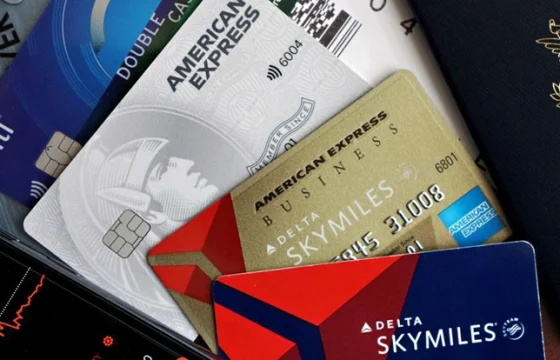
For purchases (not cash), a no-foreign-transaction-fee credit card gives you essentially the interbank rate on every transaction. This is arguably better than withdrawing cash from an ATM, because there’s no ATM fee, no handling of bills, and no question about the rate. If your card has no foreign transaction fee, using it for every purchase you can is often the most efficient option.

The places where cash is still king abroad: small local restaurants and markets, transportation like taxis or tuk-tuks, street food, very small shops. Budget for a reasonable cash amount for these and withdraw it from an ATM on arrival. Don’t show up to a country without any local currency – the first few hours are always cash-heavy.

Before You Leave: Notify Your Bank

Set a travel notice on your credit and debit cards before you go. Most banks now have this in their app. Without it, an unfamiliar spending pattern in a foreign country can trigger a fraud alert and get your card declined at the worst possible time. The notification takes two minutes and can prevent a frustrating conversation with your bank’s fraud department from a hotel lobby in another country.

Wise and Similar Services for Larger Transfers

If you need to move larger amounts of money internationally – renting an apartment for a month, wiring a deposit, sending money to someone abroad – dedicated transfer services like Wise (formerly TransferWise) offer rates significantly closer to the interbank rate than banks. For everyday travel spending, using your credit card and a Schwab debit for ATMs covers most situations. For larger transfers, Wise is worth knowing about.

How Much Cash to Actually Carry

More than you think for the first day, less than you think after that. I budget about $100-150 in local currency per person per day for cash-based spending in most destinations. Most of that comes from one ATM withdrawal on arrival rather than multiple smaller ones, because ATM fees are usually per-transaction. On shorter trips I slightly over-estimate and accept leftover currency. On longer trips I withdraw more frequently as I get a better sense of the actual cash flow.

The airport exchange booth is there for emergencies. The emergency is: you landed without a plan, your debit card is blocked, and you need twenty euros for a taxi. Otherwise, walk past it like you know something it doesn’t. Because now you do.

For the current real foreign exchange rates beyond airport kiosks, see the Federal Reserve's foreign exchange rate tables.

Leave a Reply

Your email address will not be published. Required fields are marked *