The first time I planned a trip to Washington DC, I budgeted for museum tickets. I built a spreadsheet with a line item for each attraction, the way I do for every other city, and slowly realized I was filling in zeros. Not discount prices. Zeros. The most famous museums in the country, the ones I’d assumed cost forty dollars a head, were simply free to walk into. DC quietly gives away its best attractions, and once you see how the free parts fit together, the only real costs left are a bed and food.
The Museums That Refuse to Charge You
The Smithsonian is not one museum. It’s a sprawl of them, around 17 plus a zoo, and every single one is free to enter. No tickets at the door, no suggested donation guilt-trip, no resident-versus-visitor pricing. You walk in.
The big ones cluster along the National Mall, close enough to hit several in a day if your feet hold up: Natural History, Air and Space, American History, and the National Museum of African American History and Culture. A few of the most popular now use free timed-entry passes to manage crowds, which sounds like a catch but isn’t. The pass costs nothing. You just reserve it online ahead of a busy day.
My honest advice: don’t try to “do” a museum. Pick two or three rooms you actually care about, see them properly, then leave before your brain turns to soup. Free admission means you can come back tomorrow without losing money, a luxury you never get when a ticket cost you fifty bucks and you felt obligated to see everything.
The Whole Mall Is the Attraction
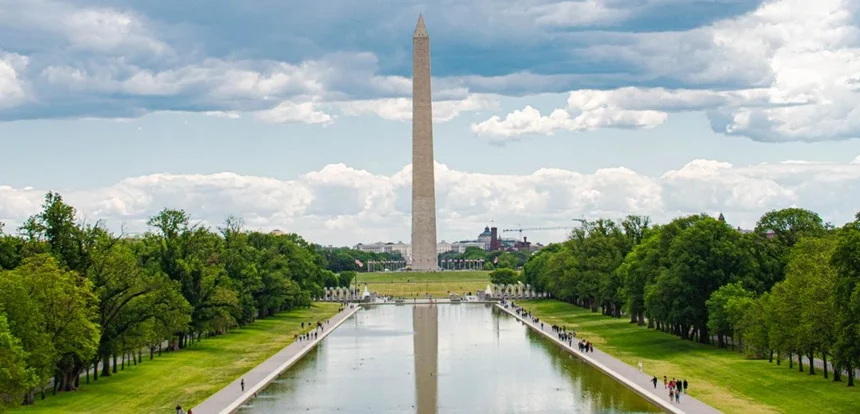
Step outside the museums and the city keeps giving. The National Mall is a long green spine lined with monuments, and every one of them is open to the public for nothing. The Lincoln Memorial, the Washington Monument grounds, the World War II Memorial, the Vietnam Veterans Memorial, the reflecting pool everyone has seen in a movie. You can spend a full day just walking it.
I’d plan one evening around it. The memorials are lit after dark, the crowds thin out, and the whole stretch feels different than it does at noon. Bring water and decent shoes, because the Mall is bigger than photos suggest. It reminds me how I think about free things to do in another expensive US city: the best moments are often the ones with no admission desk at all.
Yes, the Zoo Is Free Too
The Smithsonian’s National Zoo charges nothing to get in, which still surprises people used to paying twenty-five dollars a head somewhere else. Like the busiest museums, it uses a free timed-entry pass, so reserve one before you go. Parking is where they get you, so take the Metro. For a family, a free zoo quietly saves a hundred dollars you’d have spent without blinking anywhere else.
The Free Tours You Have to Earn
Here’s the part most visitors miss because it takes planning rather than money. Several federal buildings offer free tours, but you can’t just show up. You request them in advance, often through your member of Congress, and the lead times are real. The buildings worth the paperwork:
- The U.S. Capitol. Free timed tickets through the Capitol Visitor Center, bookable online, usually on short notice.
- The White House. The longest lead time of the bunch. Requests go through your representative weeks ahead, so this one rewards the early planner.
- The Library of Congress, the Supreme Court, the Bureau of Engraving and Printing. Your representative’s office can help arrange several in one go.
I’ll be straight with you: I’ve missed the White House twice because I planned the trip too late. The tour costs nothing, but it costs foresight, and foresight was the thing I didn’t have. Email your representative’s office before you book flights. If it falls through, you’ve lost an email, not a deposit.
Festivals, Concerts, and the Stuff That’s Free by Accident
DC runs a steady calendar of free public events, and you don’t have to time a trip around them to catch one. The Cherry Blossom Festival is the famous example, but there are free outdoor concerts, military band performances, and street festivals all year. Check the city’s official visitor calendar a few weeks out and you’ll usually find something for nothing. It’s the same kind of budget travel I love elsewhere, the way national parks open their gates for free on certain days. The country owns these places, and now and then it hands them back to you at no charge.
What a Family Trip Actually Costs
So strip it down. The attractions are free. The monuments are free. The zoo is free. The federal tours are free if you plan. That leaves two real expenses, a place to sleep and food. Hotels run cheaper in neighborhoods just outside the core, especially near a Metro stop, where rooms can land well under the downtown rate. Book a place with a fridge and you keep breakfast and snacks out of the restaurant budget. The math is almost funny: a family can spend a long weekend in one of the most attraction-dense cities in America and the only line items are lodging and groceries.
I keep thinking about that first spreadsheet full of imaginary ticket prices. I’d braced for DC to be expensive because every great city is, and the city had already decided most of the good stuff belonged to everyone. There’s something almost old-fashioned about that. You still have to feed your people and put them to bed somewhere. The rest, the part you’ll actually remember, is just waiting for you to walk in.
For hours, locations, and free timed-entry passes, see the Smithsonian’s visitor information.